

UPI@10: FY26 transactions, value hit record highs
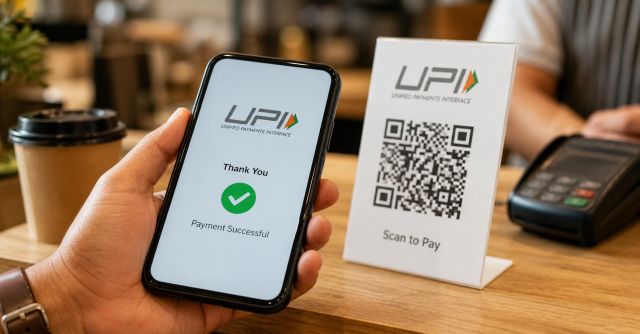
India’s Unified Payments Interface (UPI) has seen transaction volumes surge nearly 12,000-fold over the past decade, rising from just 2 crore transactions in FY17 to 24,162 crore transactions worth ₹314 lakh crore in FY26, according to a government release. The milestone comes as the platform completes 10 years, having evolved into the world’s largest real-time payments system and a key pillar of India’s digital economy.
Why does it matter?
UPI recorded its highest-ever annual transaction volume and value in FY26, even as it marks a decade since launch. From a handful of transactions in its early days, the platform now processes billions every month, underscoring its scale and maturity.
The numbers highlight UPI’s central role in India’s payments ecosystem. It has transitioned from a peer-to-peer payments tool to a full-stack digital payments rail powering retail transactions, merchant payments, and financial services. Globally, it is now recognised as the largest real-time payments system by volume, accounting for a significant share of instant payment transactions worldwide.
What is driving this growth?
UPI’s expansion has been driven by its mobile-first design, seamless bank-to-bank transfers, and QR-based acceptance across geographies. Its scale has been amplified by apps such as PhonePe, Google Pay, and Paytm, alongside broader digital infrastructure and financial inclusion efforts.
Akash Sinha, Co-founder and CEO of Cashfree Payments, says the surge in volumes reflects UPI’s central role in the economy. “The UPI figures for March have further solidified its position as the default payment method for millions. With the highest-ever 22.64 billion transactions valued at ₹29.53 lakh crore, these volumes and values highlight UPI’s indispensable role as the backbone of India’s digital economy,” he says.
He adds that the next phase of growth—driven by emerging use cases like agentic commerce—will require stronger safeguards. “Such growth also amplifies the threat of fraud,” he notes, pointing to the need for tighter authentication and security innovation.
Is adoption widening beyond urban India?
Adoption is expanding beyond metros into smaller towns and rural markets. Anand Kumar Bajaj, Founder, MD and CEO of PayNearby, says this reflects a broader behavioural shift. “The sustained growth in the digital payment ecosystem in India is an affirmation of the penetration of real-time payment systems in the day-to-day lives of people,” he says, adding that increased participation from small merchants and consumers across Bharat is driving the next phase of growth.
What challenges remain?
Despite its scale, UPI faces structural challenges around monetisation under the zero MDR regime, concentration of volumes among a few large apps, and the need for continuous infrastructure upgrades. The Reserve Bank of India has been pushing for stronger security and sustainability measures as transaction volumes rise.
What’s next for UPI?
The next phase is likely to focus on international expansion, deeper credit integration, and broader enterprise use cases. As it enters its second decade, UPI is expected to evolve further as a foundational layer of digital financial infrastructure.
A decade after launch, UPI’s record FY26 performance reflects both scale and systemic importance. Its emergence as the world’s largest real-time payments platform underscores a structural shift in how India transacts, with implications extending well beyond retail payments.
Next Article